Philippines Accelerates Solar Energy Development: New 500 MW Project Highlights Growing Market Opportunities

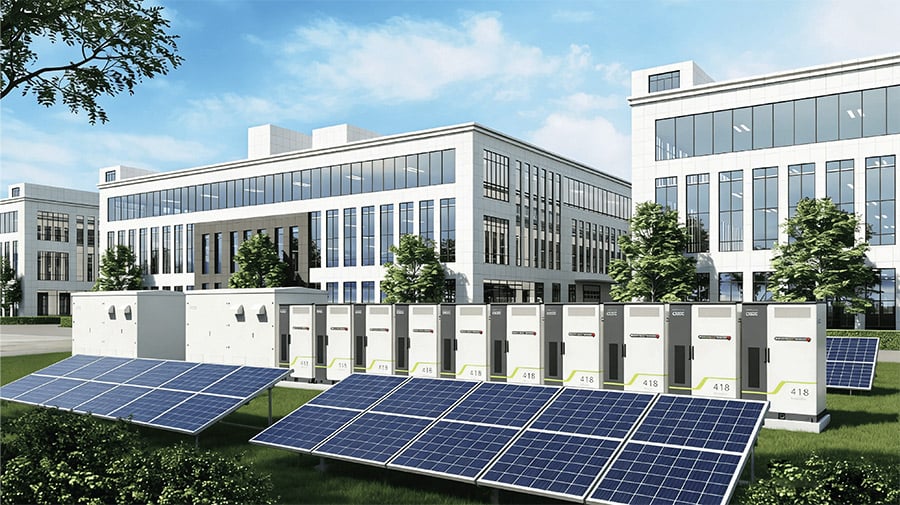
The Philippines is strengthening its position as an emerging solar energy market in Southeast Asia, with increasing investment in utility-scale solar projects and ambitious renewable energy targets. The latest development is the 500 MW Ixus Bugallon solar project, which has attracted investment from Norwegian and Danish development finance institutions, highlighting growing international confidence in the country's renewable energy sector.
1. International Investment Boosts the Philippines' Solar Energy Market
On October 20, 2026, Norwegian and Danish development finance institutions announced a 49% equity investment in the 500 MW Ixus Bugallon solar power project in Pangasinan, northwestern Philippines.
The project is being developed by Singapore-headquartered renewable energy company Vena Energy, which retains a 51% stake. It secured approximately $310 million in senior loans from a consortium of eight international banks and reached financial close in July 2026.
Located next to Vena Energy's existing 550 MW Bugallon solar power plant, the new project will further expand one of the Philippines' largest solar energy clusters.
Once operational, the 500 MW facility is expected to generate enough electricity to supply approximately 650,000 Philippine households annually.
This investment reflects growing international interest in the Philippines' renewable energy sector, while demonstrating the increasing role of private capital and international financial institutions in accelerating large-scale solar development.
2. Philippines' Solar Energy Market Presents Significant Growth Potential
The Philippines is emerging as an attractive destination for solar energy investment, supported by favorable renewable energy policies, increasing electricity demand, and the country's abundant solar resources.
According to the International Renewable Energy Agency (IRENA), the Philippines installed 899 MW of solar capacity in 2025, bringing its cumulative installed solar capacity to 3,892 MW.
The government is also strengthening its renewable energy development strategy. The Department of Energy (DOE) plans to auction 25 GW of renewable energy capacity by 2035, with four rounds of its flagship Green Energy Auction programme scheduled over the next two years.
These initiatives are expected to create opportunities across several market segments:
Utility-scale solar projects: Continued government auctions and international investment will support the development of large-scale solar power plants.
Commercial and industrial solar: Businesses are increasingly exploring solar energy to manage electricity costs, improve energy efficiency, and reduce dependence on conventional power sources.
Solar-plus-storage systems: Battery energy storage can help address the intermittent nature of solar generation, improve energy utilization, and provide greater flexibility in electricity consumption.
Distributed solar generation: Residential and small commercial users can benefit from rooftop solar installations and integrated energy storage solutions.
As renewable energy penetration increases, demand for flexible energy management and reliable storage technologies is also expected to grow.
3. Solar Energy and Battery Storage: The Next Development Opportunity
While utility-scale solar projects continue to attract significant investment, integrating battery energy storage systems (BESS) with solar PV is becoming increasingly important for the development of a more flexible energy infrastructure.
Solar power generation depends on sunlight availability, creating differences between electricity generation and consumption patterns. Battery storage helps bridge this gap by storing excess solar electricity for use when solar generation decreases or electricity demand increases.
For commercial and industrial users, solar-plus-storage solutions can offer several advantages:
· Higher solar self-consumption: Store surplus solar electricity and use it when needed.
· Improved energy management: Coordinate solar generation, battery charging, and electricity consumption.
· Greater energy flexibility: Adapt energy usage to changing demand patterns.
· Enhanced energy resilience: Provide additional flexibility during grid interruptions when the system is appropriately designed and configured.
As the Philippines continues expanding its renewable energy capacity, integrated solar and battery storage solutions could become an important part of its energy transition.
4. EVCity: Delivering Integrated Solar and Energy Storage Solutions
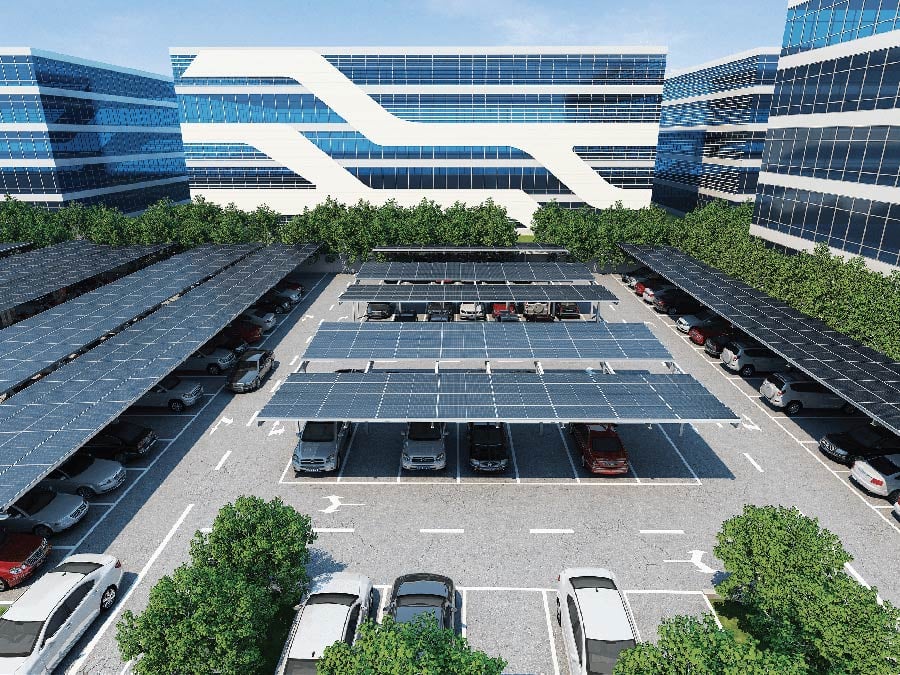
EVCity Solar PV & Battery Energy Storage Solutions
As a global provider of solar energy and energy storage solutions, EVCity is committed to supporting the transition toward cleaner, more efficient, and flexible energy systems.
EVCity integrates solar photovoltaic (PV) technology with advanced lithium iron phosphate (LiFePO4) battery energy storage technology to deliver solutions for residential, commercial, and industrial applications.
Its solar and storage solutions are designed to help customers make better use of renewable electricity while improving overall energy management.
Key EVCity solution advantages include:
1. Integrated Solar PV and Energy Storage
Combining solar generation with battery storage enables users to capture excess solar electricity and use stored energy when needed, supporting higher solar self-consumption.
2. Advanced LiFePO4 Battery Technology
EVCity's energy storage solutions utilize lithium iron phosphate battery technology, offering a combination of safety, thermal stability, and long cycle life for demanding energy storage applications.
3. Flexible Energy Storage Configurations
With different battery capacity options and system configurations, EVCity supports diverse energy requirements across residential, commercial, and industrial projects.
4. Intelligent Battery Management
Smart battery management and monitoring capabilities help users monitor system operating conditions and manage battery performance, supporting more efficient energy utilization.
5. Solutions for Diverse Applications
From residential solar storage to commercial and industrial energy systems, EVCity provides flexible solutions designed to accommodate different installation environments and energy consumption requirements.
As the Philippines expands its solar energy infrastructure, EVCity's integrated solar PV and battery storage solutions can help businesses and energy users explore more efficient ways to generate, store, and utilize renewable electricity.