In these days Electric cars are tend to be so popular. Some people prefer them because they’re better for the planet. However, charging electric cars can be problematic. Sometimes charging can take a pretty long time. This is where fast chargers step in to fast charge electric cars, putting you right back on the road and taking less time! It is now the time when you hear of LFF Technology, which is a Manufacturer for fast charging technology. What can we gain from fast EV charging stations & how would that easier ownership of an electric car streamline your smart living?
With more people opting for electric vehicles, the need for charging stations is also rising. Fast charging stations — because it can charge your car significantly faster than a regular charging station. This means you’ll be able to drive sooner and will spend less time sitting around waiting. So, imagine you are on a road trip and need to stop and charge your car. And if you find yourself at a fast charging station, you can pull over, charge up, and be back on the road in no time — all while having a long trip waiting for you!
How High-Speed Charging Stations Are Different from Regular Charging Stations They do this by burning more juice, which helps them top off your car's battery in less time. This is particularly useful for users who are in a rush or are on long road trips. If you need to stop for a charge on a road trip, there are high-speed charging stations that will get you back on the road quickly, without the fear of running out of battery.
More power equals faster charging; that is how fast chargers work. They also talk to your car’s onboard computer to ensure the battery charges safely and efficiently. Fast chargers fall into two broad categories: DC fast chargers and AC fast chargers. Most of the chargers out there are rapid chargers that can go up to 43kW, but DC fast chargers are the fastest option available today. They will charge a car's battery to 80% in as little as 30 minutes! AC fast chargers are slower than the DC fast ones, but they are significantly faster than regular charging stations. This means you can select the kind of charger perfect for you according to your needs.
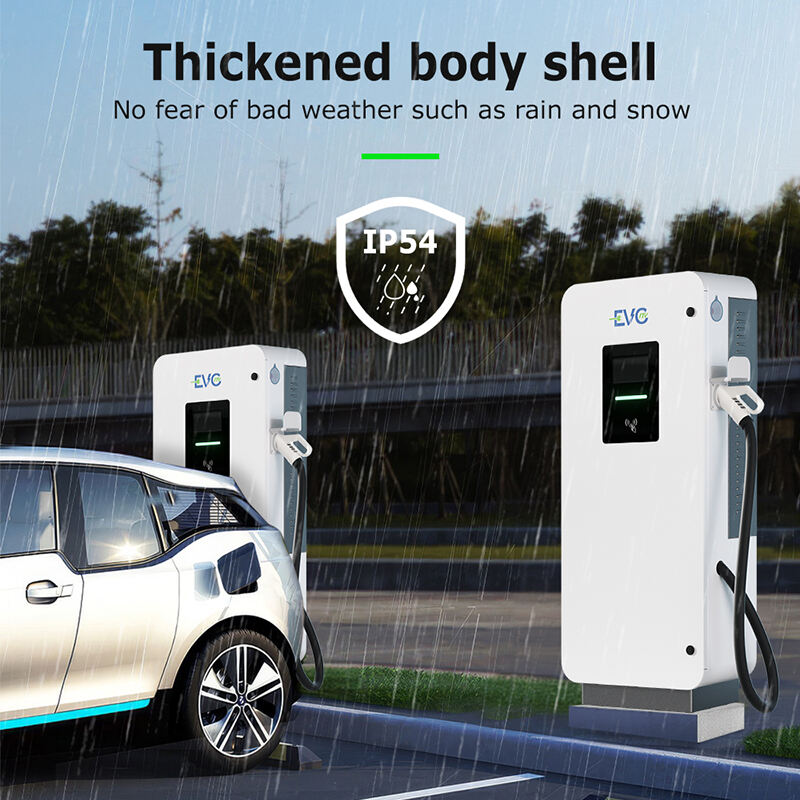
Fast Charging Technology| What it is one big reason for why it helps your electric vehicle work better and more efficient. It takes hours to recharge your car battery at a regular charging station. This extended wait can be exasperating when you have somewhere to be. Using rapid charging tech fills the battery of your car a lot faster. This is a big boon for time, particularly with those that use their electric vehicles for work or travel. “Giving you very good time to get back to your life without unnecessary delays.
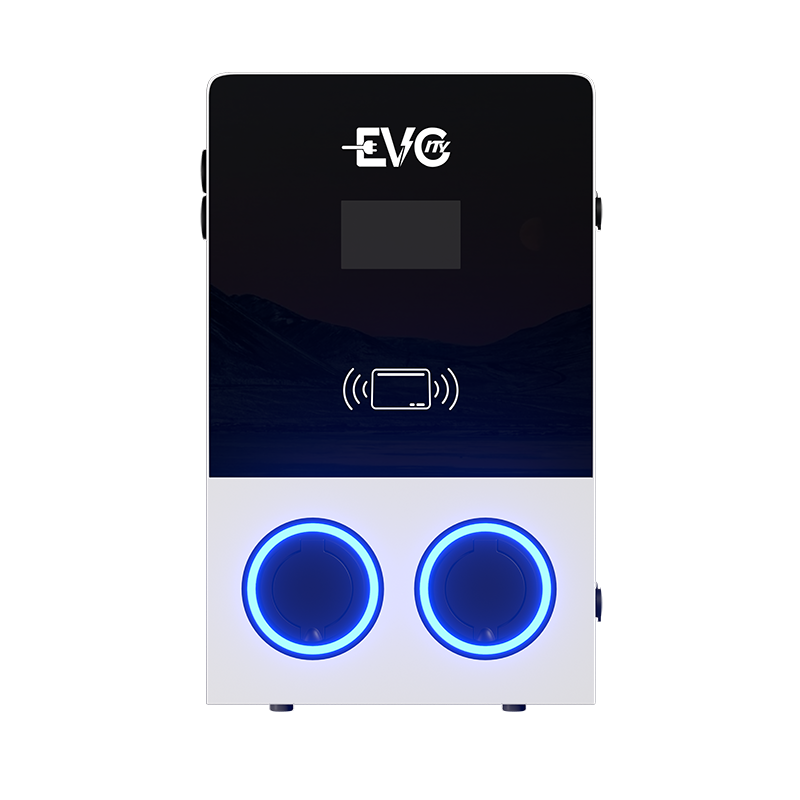
Accessibility: Fast chargers are usually placed in accessible areas including shopping centers, gas stations and rest areas. So, you can charge your in between errands or pit stops, making it a viable solution for busy living.
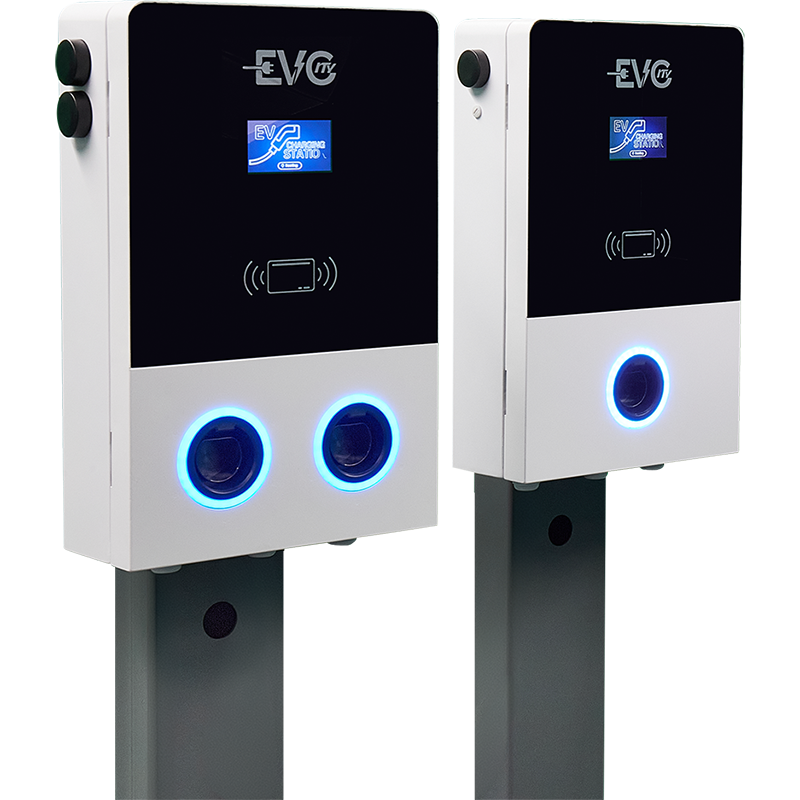
Less Concern Over Battery: Certain individuals know as range anxiety the fear of depleting their battery power during driving. Fast charging stations are easing this concern, since they enable you to charge your car in a quicker and more efficient way. You can feel secure in knowing that you have the choice to charge when required.
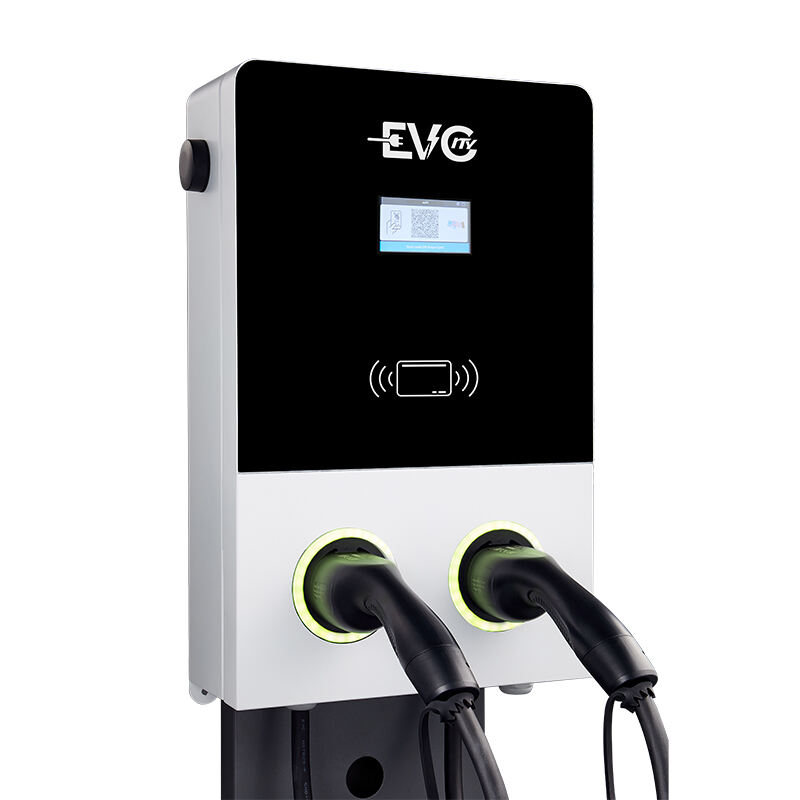
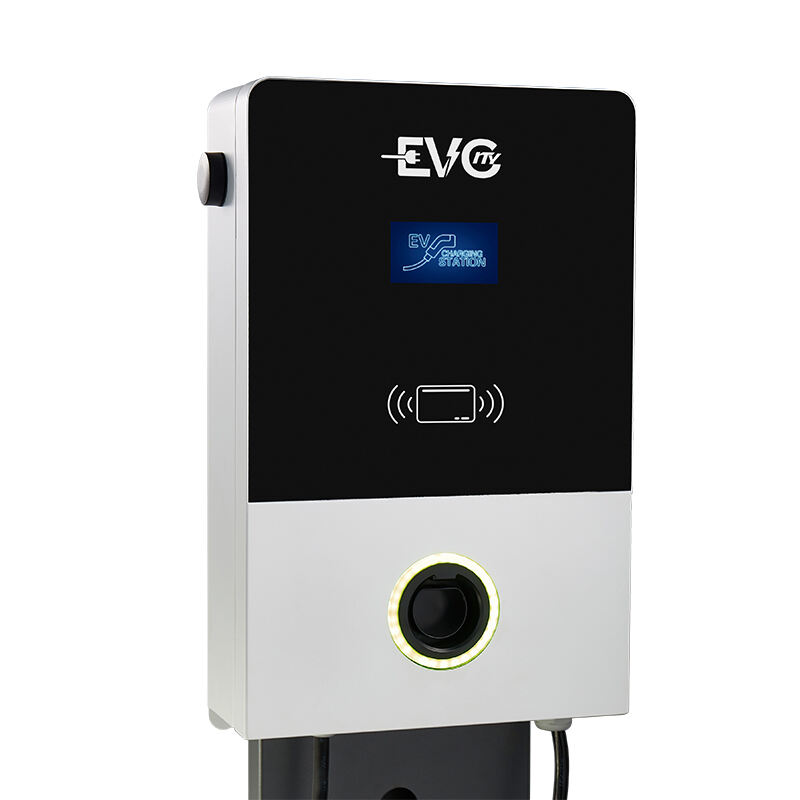
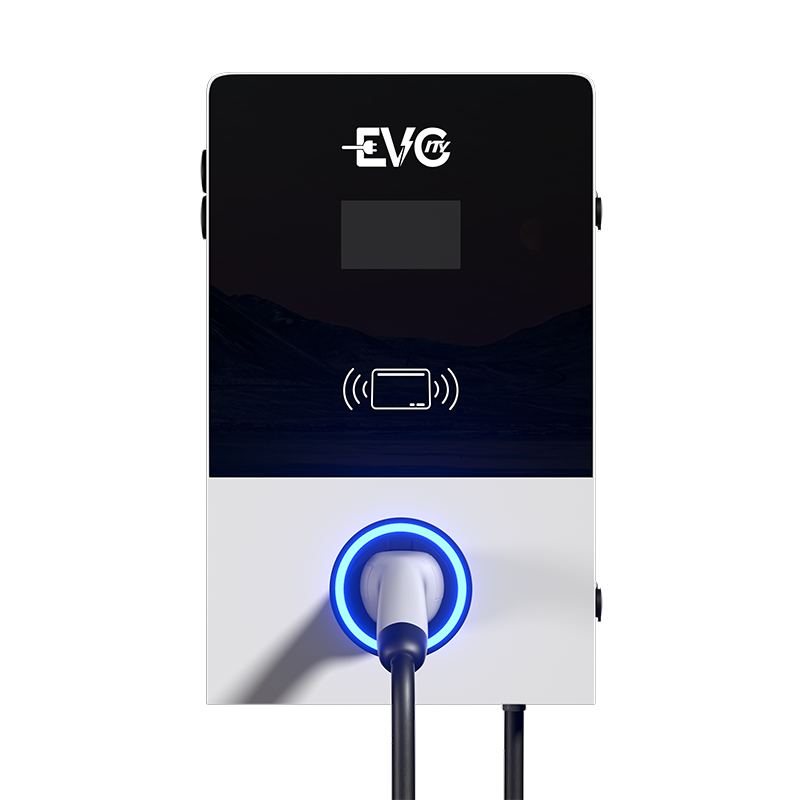
Equipped with Bluetooth, WiFi, ev charging fast chargers communication module, the charging output is compatible with single/three-phase or multi output (7KW/14KW/22KW/44KW). This significantly improves the charging efficiency while reducing cost of installation and equipment labor.
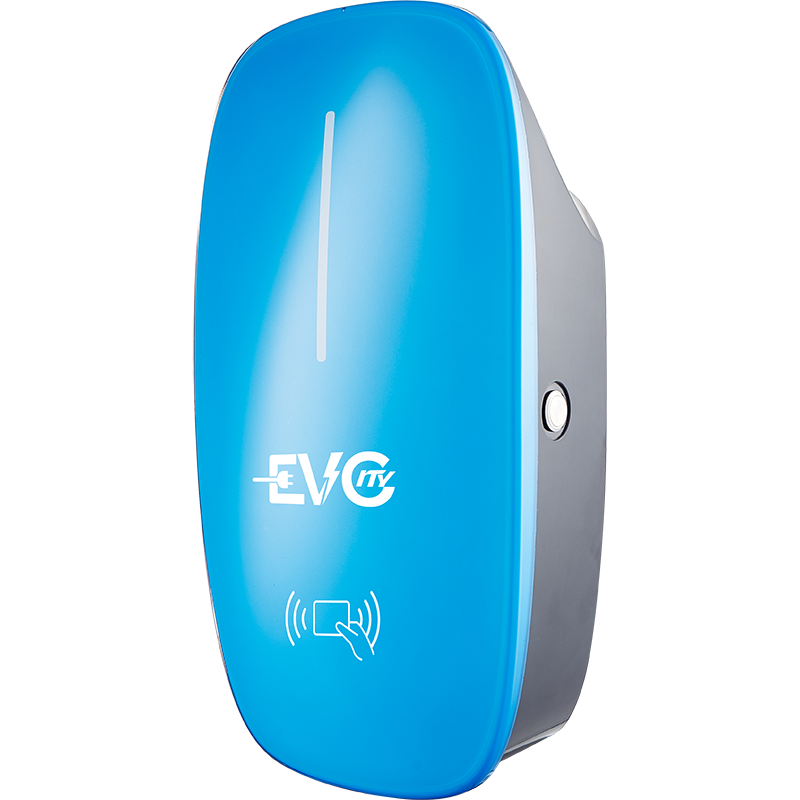
Integrating functionality and aesthetics with a clean and ev charging fast chargers that incorporate galvanized sandblasting technologies and toughened glass, this machine is equipped with IP54/IK08 protection level, boasting a long time of service, along with the ability to resist oxidation and corrosion.
It is able to operate in ev charging fast chargers temperatures ranging from -40° Celsius to +70. The product has been certified by TUV. certification.
It ev charging fast chargers integrates any third-party operator system. The CAN/RS232 (485) interfaces let you connect to existing IOT systems.